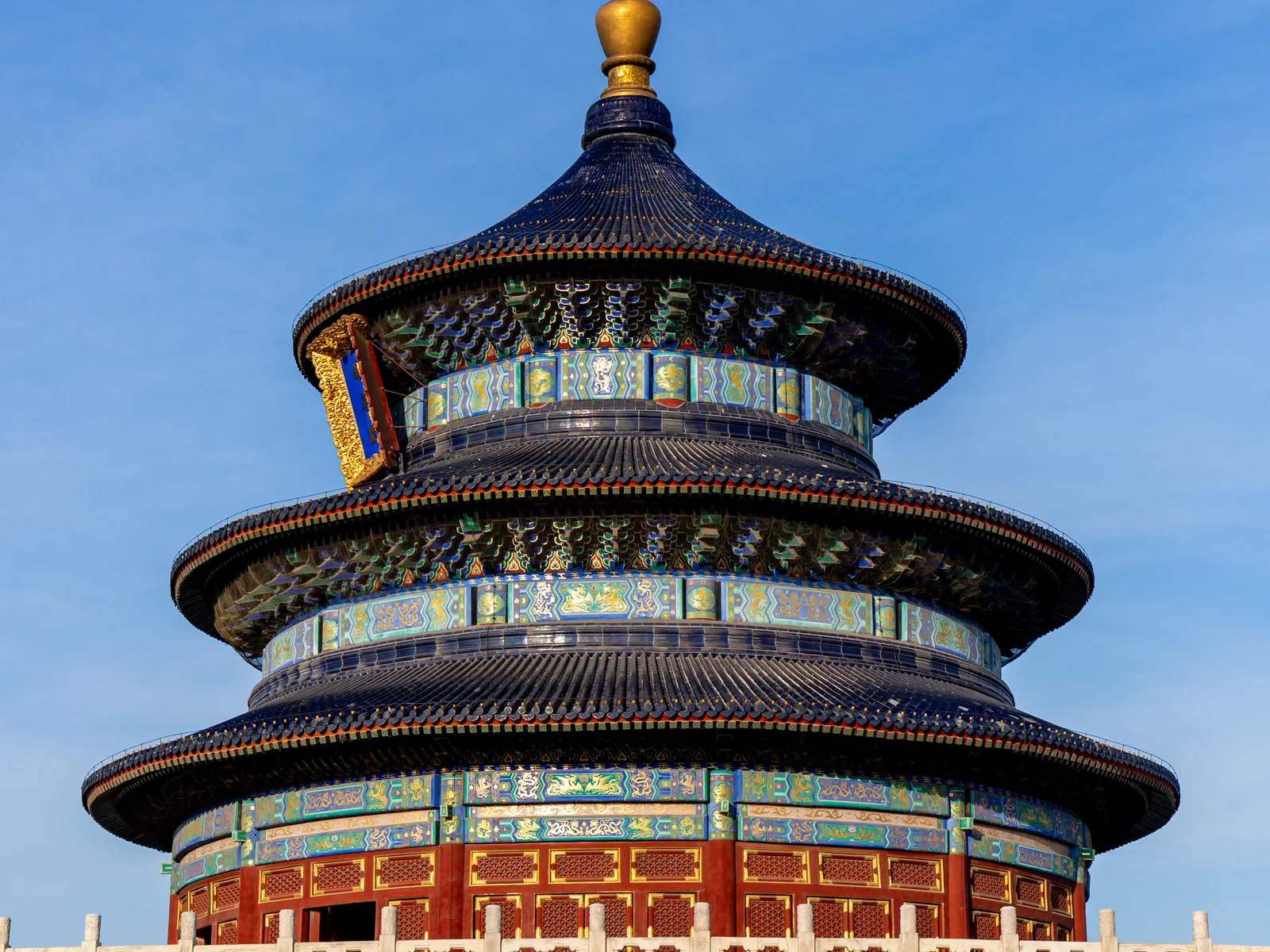
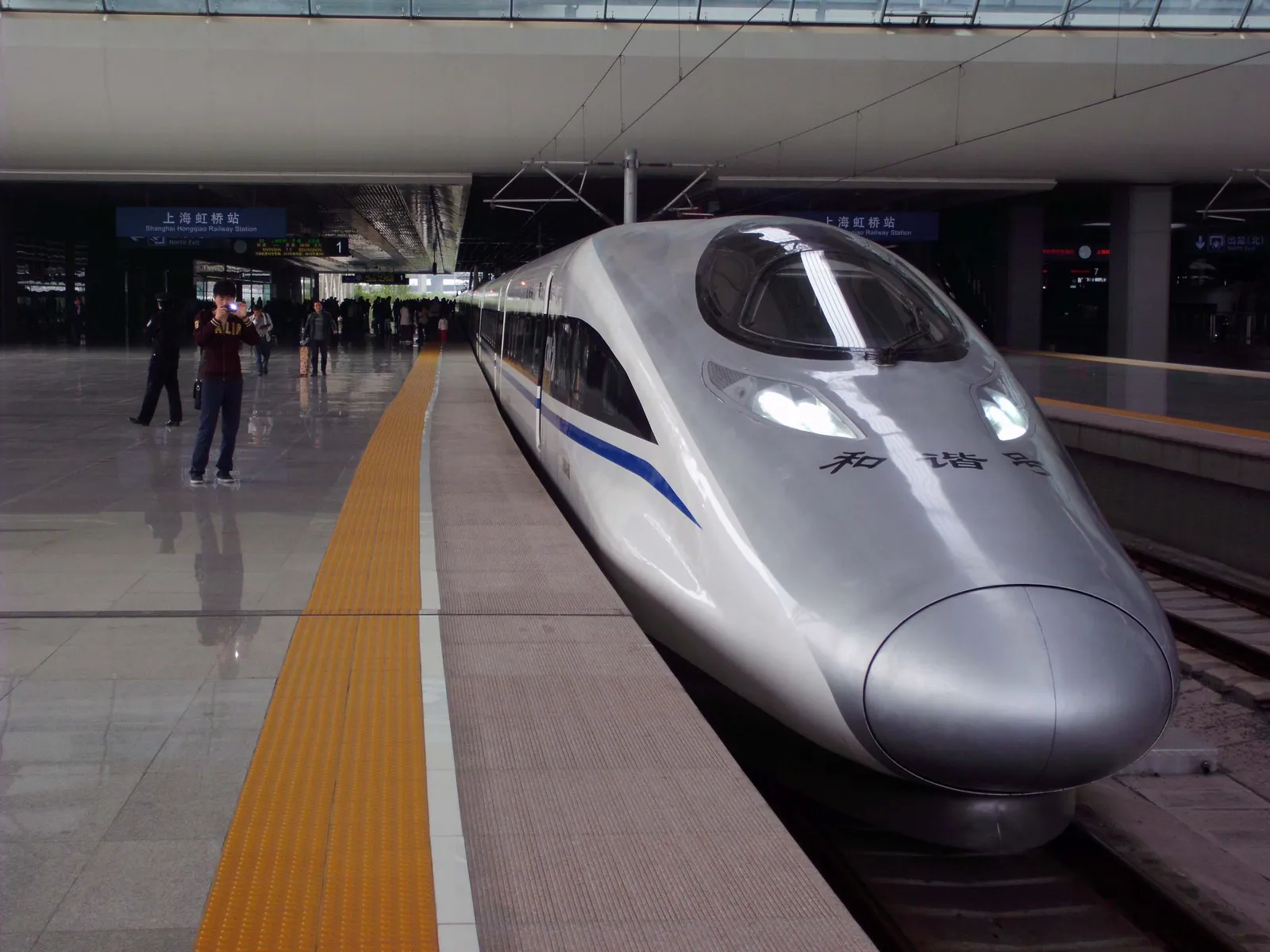
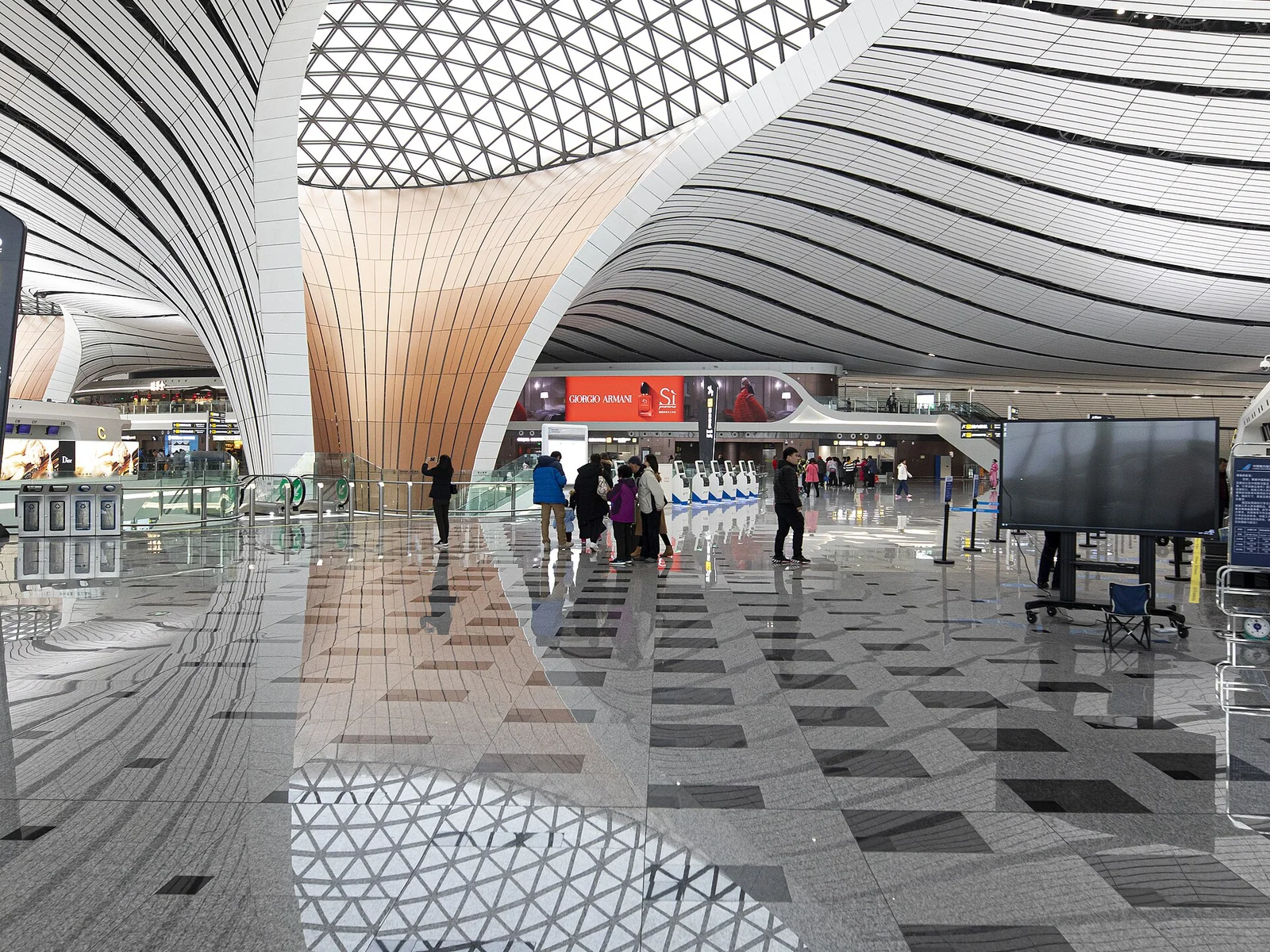
A family trip in China works best when the route begins with the people travelling, not a standard sightseeing list. Ages, room needs, walking confidence, meal patterns, arrival time and the things each generation is curious about are planning inputs—not details to add after the route is fixed. A private journey can balance landmark days with pauses, easy meals, transport comfort and time to discover a place without a deadline every hour.
Choose fewer cities and protect the first day
For many family groups, two or three cities can offer more variety than four or five cities with repeated packing. A simple first day after a long flight gives everyone time to adjust and makes the following days more enjoyable. When the route includes Beijing, Xi’an, Shanghai or Chengdu, we look at the full connection day, not only the train or flight duration. This is especially important for younger children, grandparents and anyone who values a slower morning.
Design days with one main purpose
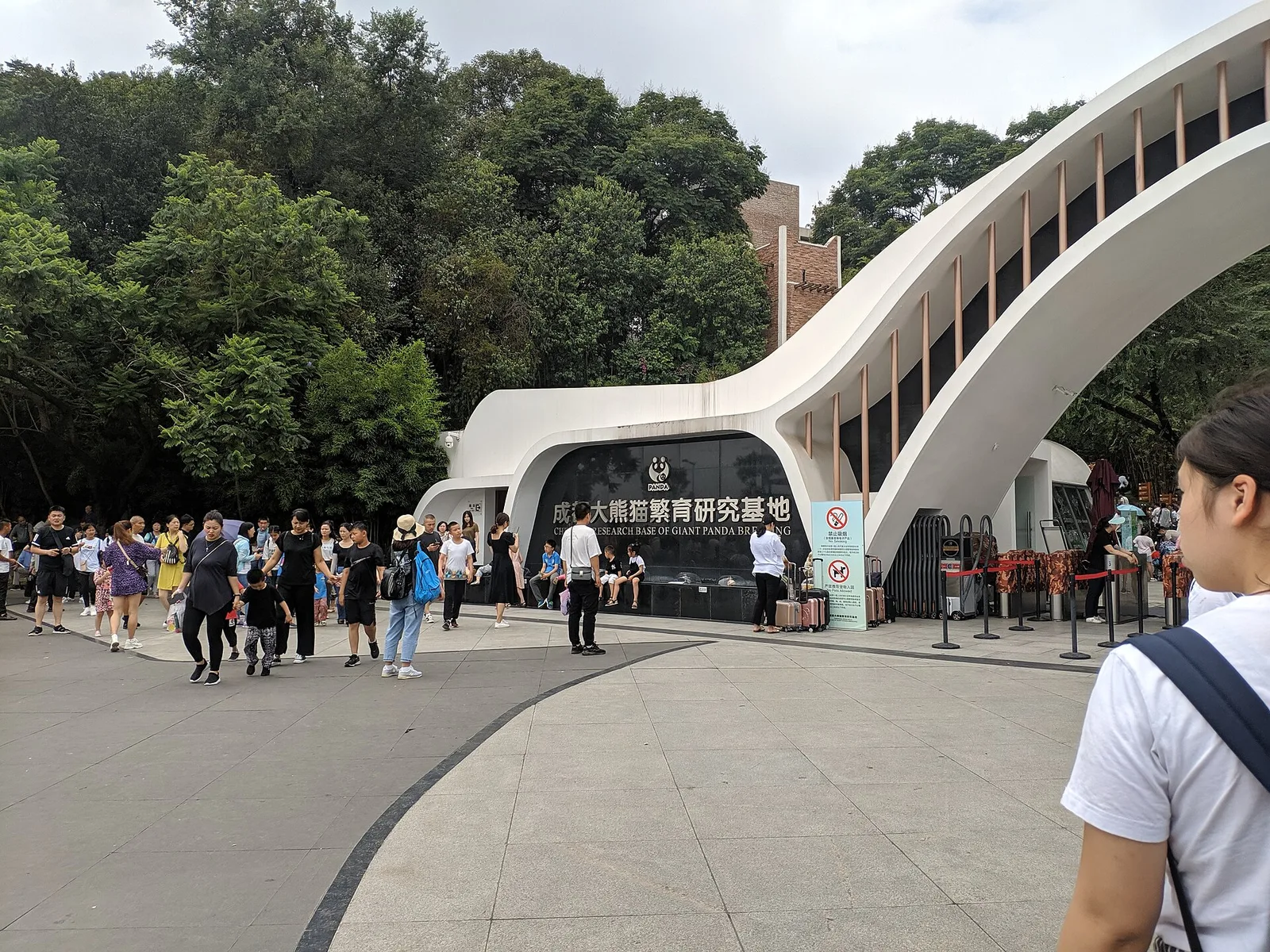
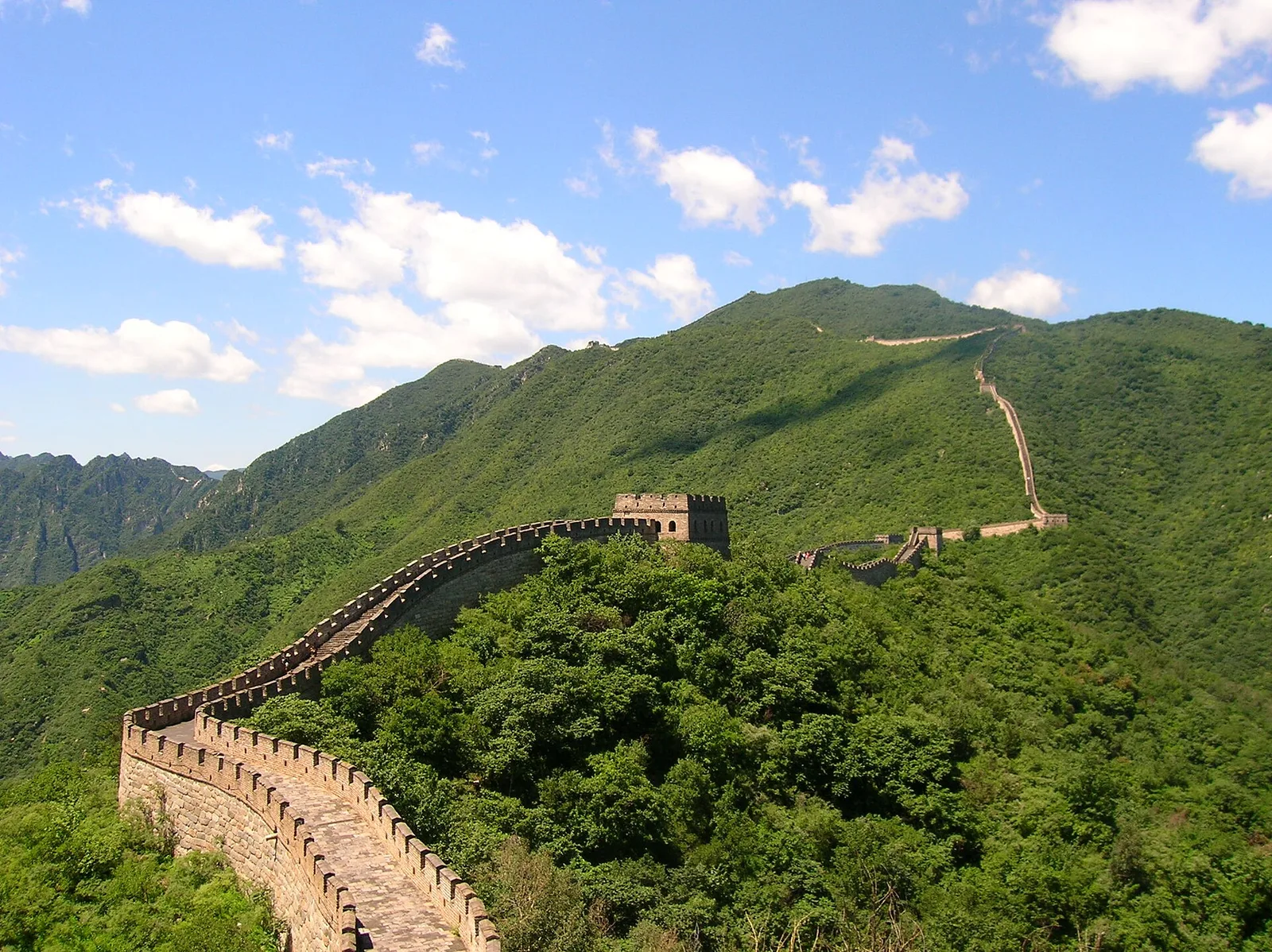
A Great Wall visit, panda experience, city-wall outing, food activity or a creative cultural workshop can be a main event. Trying to place three major activities around traffic, queues and meals often reduces enjoyment for everyone. We use your interests to identify where private transport and guiding make a day easier, and where free time, a park, hotel pool or relaxed meal may be the better choice.
Check rooms and beds before the proposal is treated as final
Family room arrangements are not the same at every hotel. Connecting rooms, family suites, extra beds, child policies and breakfast arrangements depend on the property and dates. These should be checked before a booking decision, alongside the hotel location and the way the next day begins. Sharing traveler ages and room preferences early leads to better options and avoids misleading assumptions.
Make transport comfortable, not merely efficient
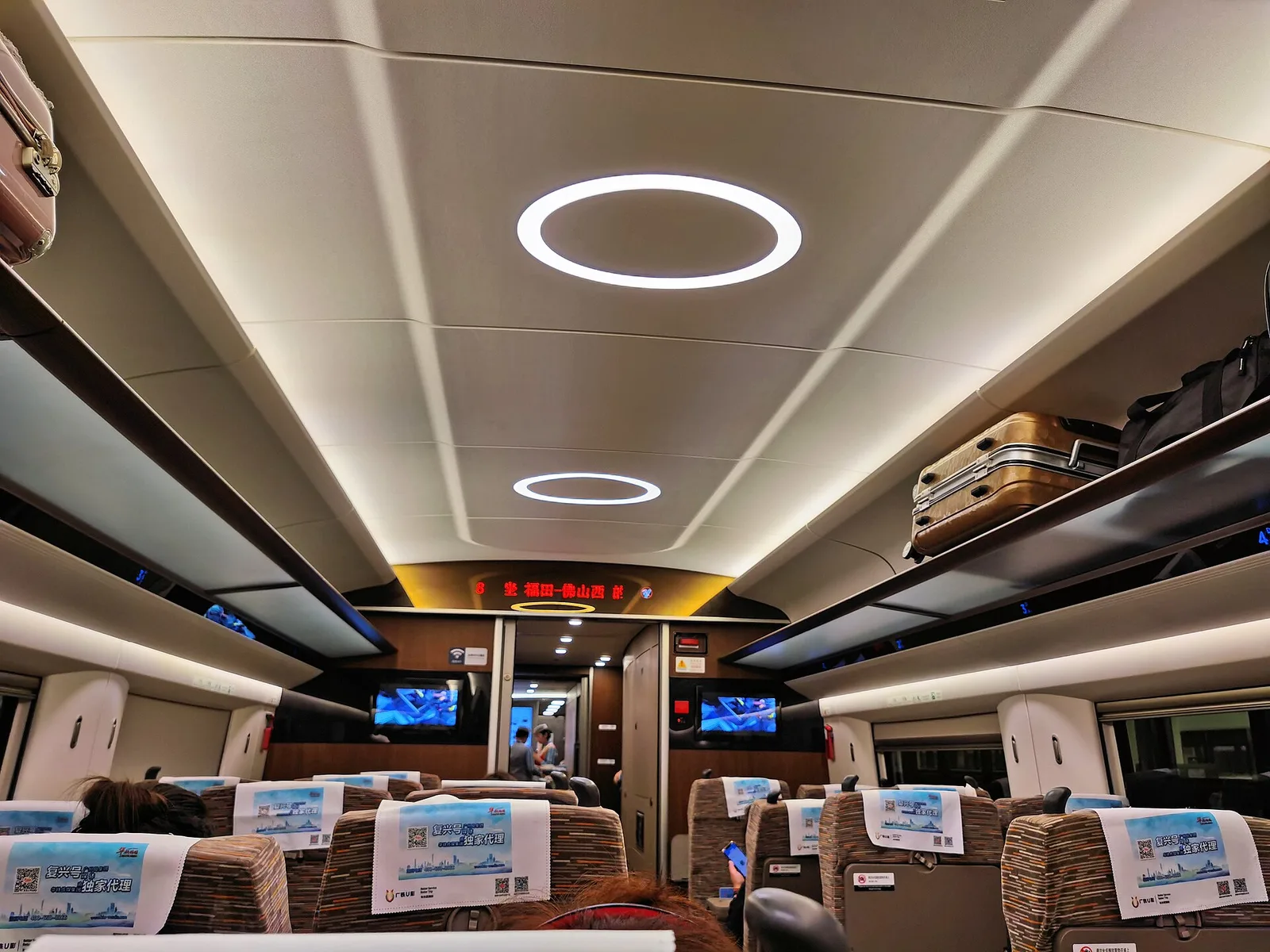
High-speed rail can be a memorable part of a China family trip, but the comfortable choice depends on station access, luggage, travel timing and the length of the complete journey. Domestic flights may suit some distances; a private vehicle may make particular sightseeing days easier. We compare these options around the group’s energy, not an abstract rule about which method is always best.
Plan food and dietary needs in advance
Tell us about dietary requirements, allergies and the kinds of meals your family enjoys in the first brief. We can discuss practical city-by-city planning and confirm the arrangements that are feasible for the specific route and service setting. It is better to document important needs before reservations than to rely on general expectations. For medical or highly sensitive dietary needs, travelers should also carry their own necessary information and seek appropriate professional advice.
Give teenagers and adults some ownership of the route
Family journeys feel more personal when each traveler has a reason to look forward to part of the plan. One person may value history, another food, pandas, an evening city view or simply time to explore a neighborhood. We can build around those moments without turning every day into a negotiation. Mention birthdays, anniversaries, independent interests and any days when the group may want to split briefly, so practical meeting points and transport can be considered before the itinerary is confirmed.
Useful details to share
- Traveler ages, walking confidence and any mobility needs
- Room configuration: connecting rooms, extra beds or family suites
- The one or two experiences each traveler is most excited about
- Whether your family prefers guided support, free time or a balance of both